
Research does impact researchers
Value of admitting researchers’ humanness and vulnerability in research
In recent years, relationships between research and researchers have been discussed with the recognition that perfect objectivity in research is impossible. This study examined the impact of research on a researcher (called retrospective reflexivity) by reanalyzing the researcher’s nine-year study. The analysis demonstrated diverse impacts of the study on the researcher and showed how retrospective reflexivity can facilitate researcher well-being as well as reinterpretations of existing data, in which emotions can play a central role.
In 2012, I began an interview study with two wonderful multilingual language learners focusing on their language learning motivations, which eventually developed into a nine-year longitudinal study. The study was published first in English in 2022 from Multilingual Matters then in Japanese from Kurosio Publishers in 2024. Through the study, I became gradually aware of how the study of such a long period impacted me both professionally and personally. This became especially clear after one of the two interviewees passed away soon after the study and even before the publication of the first book. The impact of his passing was immense, and I was forced to realize that research can sometimes affect the researcher.
This study examined my experience through the concept of reflexivity. Reflexivity refers to the process by which researchers critically consider their own role in, and relationship with, their research. It is a topic widely discussed in diverse fields, including applied linguistics (my field), education, and medicine. Previous discussions have generally focused on “prospective reflexivity,” which considers how researchers influence the research process. Drawing on my own experience, however, I turned my attention to “retrospective reflexivity,” which considers how conducting research may, in turn, affect the researcher. I therefore revisited the original study as well as a diary I kept as I worked on the manuscript until after the publication of the book to explore the ways in which it had influenced me.
Through the analysis, I uncovered the existence of different types of retrospective reflexivity in the data: theoretical, methodological, disciplinary, practical, and personal. I demonstrated that retrospective reflexivity can help researchers view themselves from a third-person perspective, follow their train of thought, and reexamine their studies. This process can lead to a deeper analysis and reinterpretation of the data with researcher’s emotions playing a central role. This process then may support researcher well-being and the development of subsequent research.
When researchers conduct research, we are concerned and careful with how our presence might affect our study, but many of us have tended to ignore the fact that our studies impact us as researchers and as human beings, particularly in studies conducted over many years. By recognizing researchers’ humanness and vulnerability rather than treating them as weaknesses, this study highlights their potential value for researcher well-being, deeper interpretation, and the further development of research.
Reference URL: https://www.sciencedirect.com/science/article/pii/S2772766126000546
Bibliographic Information
Title :Retrospective reflexivity and researcher emotions in applied linguistics research: Toward a fuller understanding of reflexivity
Journal: Research Methods in Applied Linguistics
Authors :Takahashi Chika
DOI: 10.1016/j.rmal.2026.100348
Media
-
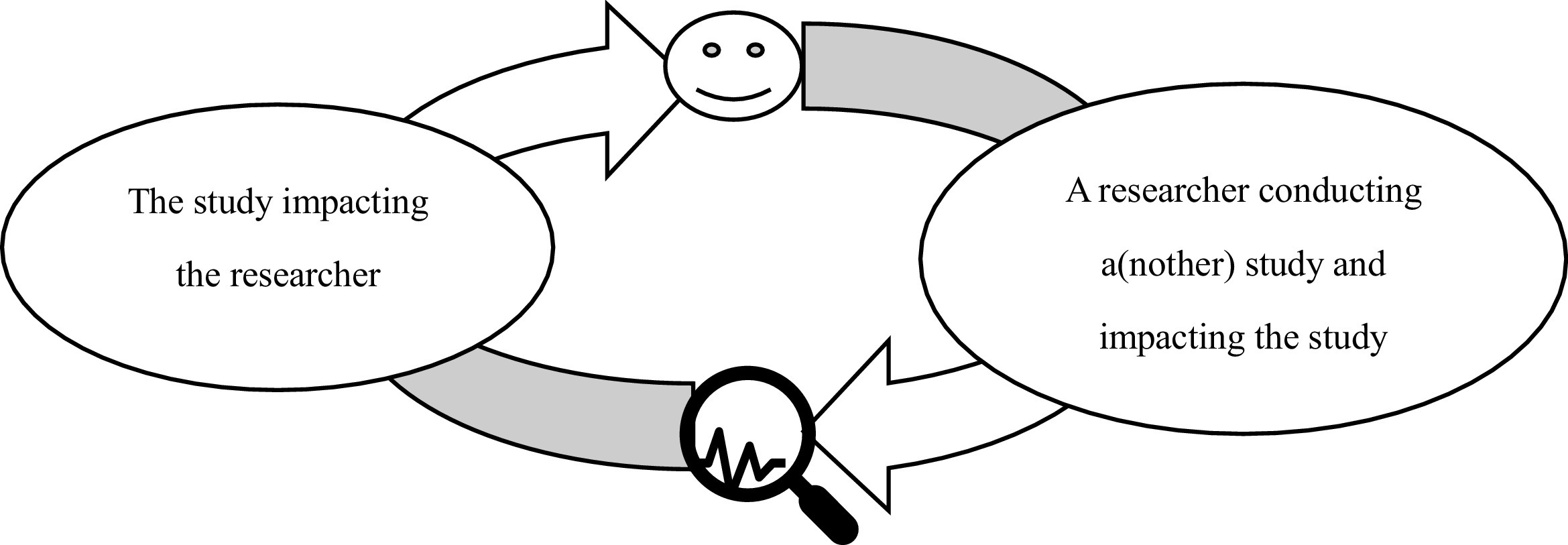
Figure 1
Cyclical nature of reflexivity
credit : Chika Takahashi
Usage Restriction : Please get copyright permission -
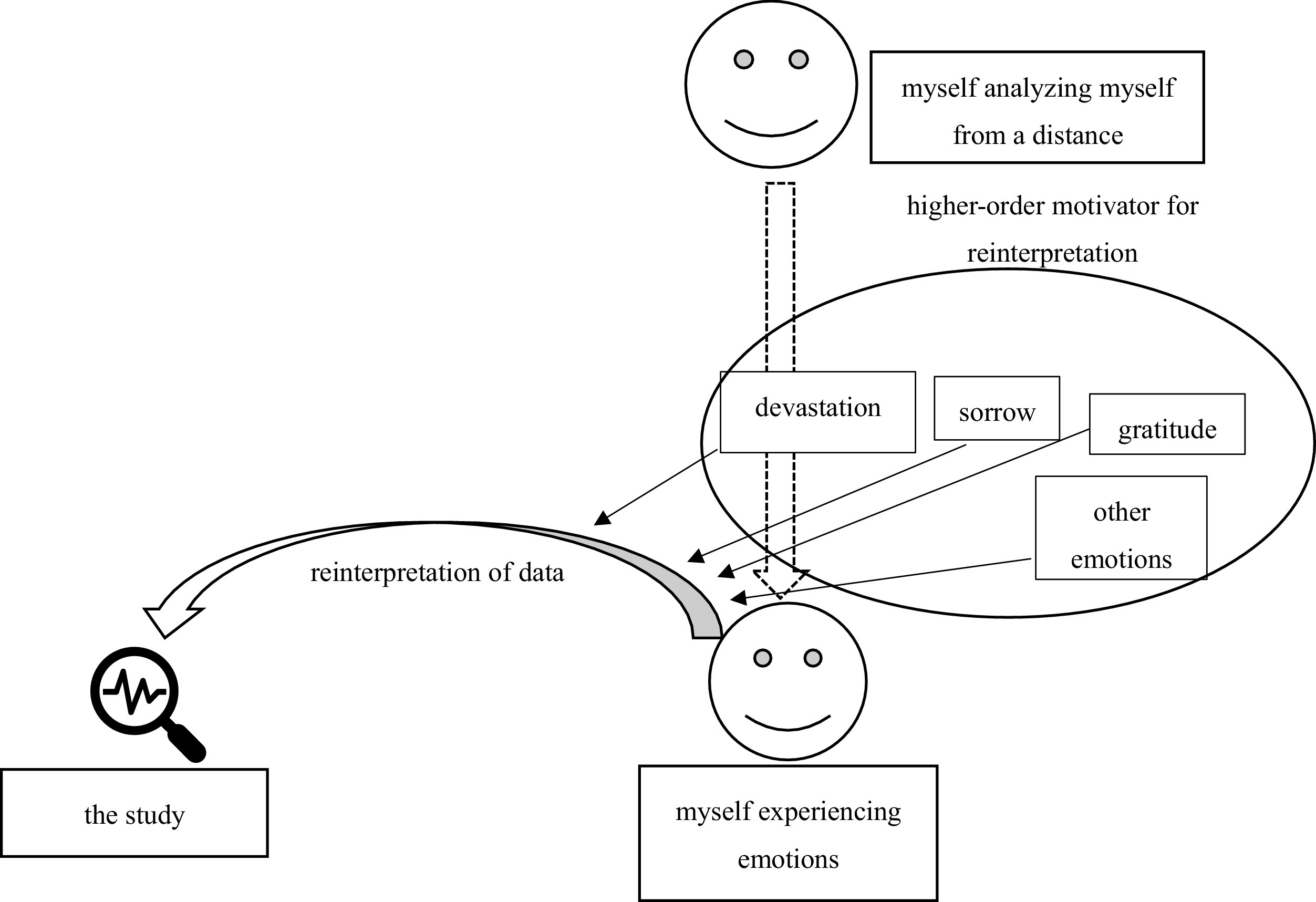
Figure 2
Emotions motivating researcher’s data reinterpretations at two different levels
credit : Chika Takahashi
Usage Restriction : Please get copyright permission
Contact Person
Name : Chika Takahashi
Phone : +81-89-927-9348
E-mail : takahashi.chika.qr@ehime-u.ac.jp
Affiliation : Faculty of Law and Letters, Ehime University